
Understanding Acne Scars: Types, Causes, and Advanced Treatment Options
Why Do Acne Scars Form?
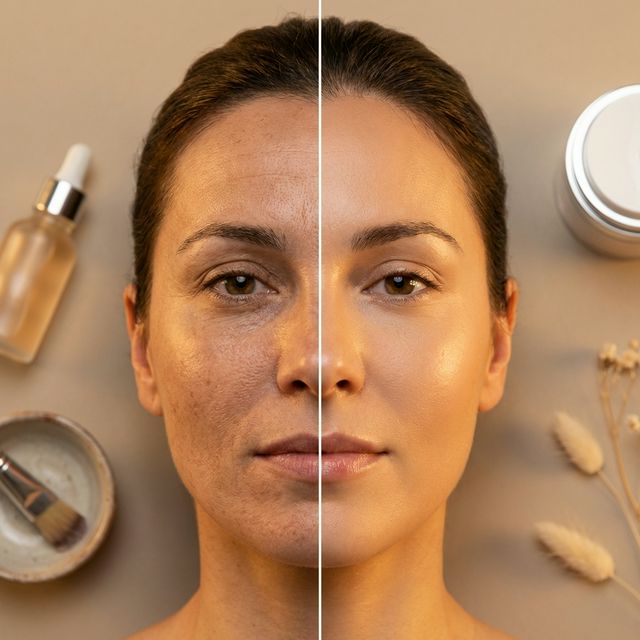
Acne scars develop when inflammatory breakouts damage the skin's collagen framework. When the body repairs this damage, it doesn't always rebuild the tissue perfectly, resulting in depressions, raised areas, or changes in skin texture that can persist for years or even a lifetime without treatment.
The severity of scarring depends on several factors: the type and depth of acne, genetics, skin type, and whether the acne was picked or squeezed (which almost always makes scarring worse).
Types of Acne Scars
Understanding your scar type is the first step toward effective treatment. At Johnsons Family Medicine & Aesthetics, we assess each patient's scarring pattern to create a targeted treatment plan:
- Ice Pick Scars: Deep, narrow, pitted scars that extend into the dermis. These are among the most challenging to treat.
- Boxcar Scars: Broad, rectangular depressions with sharp, defined edges, similar in appearance to chickenpox scars.
- Rolling Scars: Wide depressions with rounded, sloping edges that create an undulating appearance across the skin.
- Hypertrophic/Keloid Scars: Raised scars that result from excess collagen production during healing, more common on the chest and back.
- Post-Inflammatory Hyperpigmentation: Dark marks left behind after breakouts, which aren't true scars but can be equally distressing.
Advanced Treatment Options at Johnsons Family Medicine & Aesthetics
Fotona Laser Therapy
Our Fotona laser system is exceptionally effective for acne scar treatment. Using fractional Er:YAG laser energy (Frac3® mode), we can precisely target scarred tissue, stimulating controlled wound healing and new collagen production. The Fotona treats both active acne and old acne scars, making it ideal for patients dealing with both ongoing breakouts and residual scarring.
OptimasMax RF Microneedling
Radiofrequency microneedling combines physical microneedling with RF energy to remodel scar tissue at deeper levels. The controlled micro-injuries combined with thermal energy trigger an intense healing response, producing new collagen and elastin that gradually fills in and smooths scar depressions.
PRP (Platelet-Rich Plasma) Therapy
PRP uses your own concentrated growth factors to accelerate healing and collagen production. When combined with microneedling or laser treatments, PRP can significantly enhance results and reduce recovery time.
What Kind of Results Can You Expect?
Acne scar treatment requires patience. While you may notice improvement after a single session, most patients need 3 to 6 treatments to achieve their desired results. Scar improvement continues for months after treatment as collagen remodeling progresses.
“The key to successful acne scar treatment is a multi-modality approach. By combining laser, microneedling, and regenerative therapies, we can address scarring at every tissue level for dramatically smoother skin.” (Stephen Johnson, FNP-C)
Take the First Step
If acne scars have been affecting your confidence, we encourage you to schedule a consultation. We'll analyze your specific scar types, discuss realistic expectations, and design a personalized treatment plan to help you achieve clearer, smoother skin.


Ready to Take the Next Step?
Schedule a consultation to discuss how we can help you achieve your health and aesthetic goals.