
Chemical Peels 101: From Superficial Glow-Ups to Deep Skin Renewal
What Exactly Is a Chemical Peel?
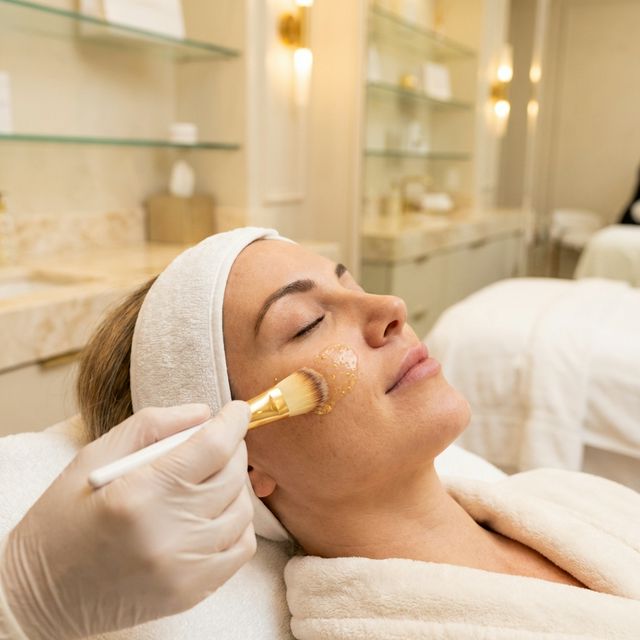
A chemical peel is a controlled exfoliation treatment that uses specially formulated acid solutions to remove damaged outer layers of skin. As the treated skin peels away over the following days, fresh, healthier skin emerges: smoother, more even-toned, and visibly rejuvenated.
Despite the somewhat intimidating name, modern chemical peels are far more sophisticated and comfortable than you might imagine. At Johnsons Family Medicine & Aesthetics, our skincare team customizes every peel to your specific skin type, concerns, and tolerance level.
Types of Chemical Peels We Offer
Superficial (Light) Peels
Using mild acids like glycolic or lactic acid, superficial peels gently exfoliate the outermost layer of skin (epidermis). They're perfect for a quick refresh: minimizing dullness, unclogging pores, and giving your skin a healthy glow. No downtime required.
Medium-Depth Peels
Trichloroacetic acid (TCA) peels penetrate into the upper dermis, addressing moderate sun damage, hyperpigmentation, fine lines, and superficial acne scars. Expect 5 to 7 days of peeling with dramatically improved skin texture underneath.
Corrective Peels
For patients with more significant concerns (deep pigmentation, stubborn melasma, or pronounced texture issues), corrective peels offer more aggressive treatment with proportionally more impressive results.
What Can Chemical Peels Treat?
- Sun damage and age spots: Peels are one of the most effective treatments for reversing UV-induced pigmentation
- Hyperpigmentation and melasma: Targeted acid formulations can significantly lighten dark patches
- Fine lines and wrinkles: By stimulating collagen production and cell turnover
- Acne and acne scarring: Certain peels help unclog pores and smooth minor scar texture
- Uneven skin tone and texture: One of the most common reasons patients seek peels
- Dull, tired-looking skin: Even a single light peel can restore radiance
What to Expect During and After
During the peel, you'll feel a warm, tingling sensation, stronger with deeper peels. Our skincare team will monitor your skin throughout and neutralize the solution at the appropriate time.
Post-peel, your skin may feel tight and look slightly pink. Over the next 3 to 7 days (depending on peel depth), the treated skin will flake and peel away. Sun protection is absolutely essential during this period. SPF 30+ is non-negotiable.
How Often Should You Get a Chemical Peel?
For maintenance and ongoing skin health, most patients benefit from a light peel every 4 to 6 weeks. Medium and corrective peels are typically spaced 2 to 3 months apart. During your consultation, we'll create a treatment schedule that aligns with your skin goals and lifestyle.


Ready to Take the Next Step?
Schedule a consultation to discuss how we can help you achieve your health and aesthetic goals.